 BESSALOV
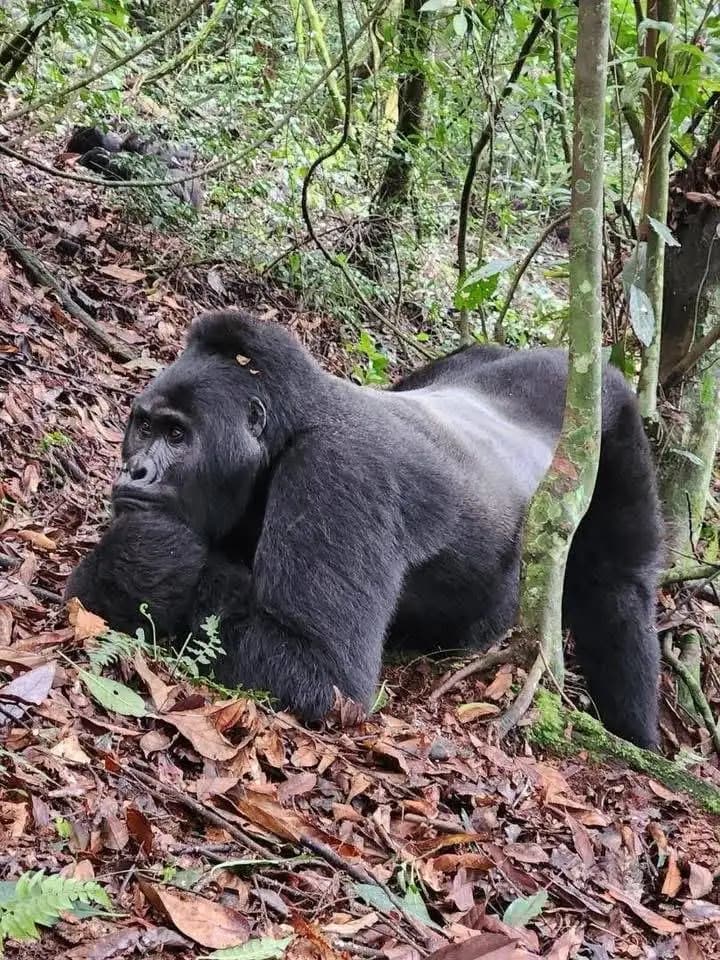
Spending an hour with a mountain gorilla family is the moment most of our travellers remember first. It is also a trip that rewards preparation: permits are limited, the forest is steep and the rules are strict for good reasons. This guide walks you through a trek day as we run it, so you know exactly what you are booking.
Where the gorillas live
Mountain gorillas live in only two places on Earth: the Virunga volcanoes shared by Uganda, Rwanda and the Democratic Republic of the Congo, and Bwindi Impenetrable National Park in southwest Uganda. The last full census counted just over 1,000 animals, and close to half of them live in Bwindi.
Bwindi is divided into four trekking sectors: Buhoma in the north, Ruhija in the east, and Rushaga and Nkuringo in the south. Each has its own habituated families and its own lodges, and the drive between sectors can take several hours, so your permit and your lodge must be in the same sector. We book them together for exactly this reason.
Uganda’s second gorilla park, Mgahinga, sits on the slopes of the Virunga volcanoes near Kisoro. It has a single habituated family and fewer visitors, and it pairs well with a visit to the Batwa community, the forest’s original inhabitants.
How a trek day works
The day starts at around 7:30 with a briefing at the sector headquarters. Rangers explain the rules, then assign each visitor to a gorilla family and a group of no more than eight people. Trackers have already left at dawn to find the family where it nested the night before.
You then walk with an armed ranger, the trackers and any porters you have hired. Some families are reached in under an hour; others take three or four hours through thick, steep forest. Nobody can say in advance which it will be, because the gorillas move every day.
Once the family is found, you leave your bags and walking poles with the porters and spend one hour with the gorillas. You keep at least seven metres away, speak quietly and do not use flash. Young gorillas are curious and sometimes come closer; the ranger will tell you when to step back.
After the hour, you walk back to the start, where you receive a certificate. Most travellers are back at their lodge by mid-afternoon, with time to rest or visit the local community.
What a permit costs
Uganda Wildlife Authority sets the price of gorilla permits. Since July 2024, a trekking permit costs US$800 per person for foreign non-residents. Rwanda charges US$1,500 for a comparable trek, which is why many travellers who land in Kigali still cross into southern Bwindi.
Uganda also offers the Gorilla Habituation Experience in the Rushaga sector: four hours with a family that is still being accustomed to people, in a group of no more than four. It costs considerably more than a standard permit and sells out first.
Permits are issued in your name, cannot be transferred and are rarely refundable. Prices can change between seasons, so we always show the current permit price as a separate line in your written quotation.
How fit do you need to be?
Bwindi lies between about 1,200 and 2,600 metres above sea level, and the trails are steep, uneven and often muddy. If you can walk for three to four hours on hilly ground with breaks, you can do a gorilla trek. Many of our travellers are in their sixties.
Tell us honestly how you walk. Rangers try to assign families that live closer to the trailhead to visitors who need an easier walk, and we pass that request on when we book.
We strongly recommend hiring a porter for around US$20 to US$25. They carry your bag, help you on steep sections and support local families who would otherwise depend on the forest.
The minimum age is 15. Visitors with a cold, flu or any infectious illness are not allowed to trek, because gorillas catch human diseases easily. If you fall ill before your trek day, tell the rangers: protecting the gorillas comes first.
When to go
Gorilla treks run all year. The drier months, June to September and December to February, have firmer trails and are the most popular, so permits for those months sell out first.
March to May and October to November are wetter. Trails are slippery, but the forest is at its greenest, lodges are quieter and some offer lower rates. In the rainforest it can rain on any day, so pack for rain whatever the month.
For June to September and the Christmas period, contact us four to six months ahead. For other months, two to three months is usually enough.
Getting to Bwindi
By road, Bwindi is an eight- to ten-hour drive from Entebbe or Kampala, so most itineraries break the journey at Lake Mburo or Queen Elizabeth National Park. Domestic flights from Entebbe to Kihihi or Kisoro take about an hour and a half and save a full day.
The southern sectors are four to five hours by road from Kigali in Rwanda. This is often the quickest route if your international flight lands there, and we arrange the border crossing with your driver.
Health and documents
Uganda requires a yellow fever vaccination certificate on arrival. Malaria is present, so ask your doctor about prevention before you travel. Most visitors apply for an e-visa online before departure; we confirm the current rules for your nationality when we send your quotation.
Rangers check passports against permits at the briefing, so bring the same passport you booked with.
What to bring
Pack light: you carry or hire a porter for everything you take into the forest.
- Broken-in waterproof walking boots and long trousers you can tuck into your socks
- A light rain jacket, as showers are common at any time of year
- Gardening gloves for grabbing vines and branches
- Two litres of water and a packed lunch (your lodge prepares one)
- A camera without flash, and a spare battery
- A face mask, which rangers may ask you to wear near the gorillas
- Your passport and your permit
Combining gorillas with the rest of Uganda
Most travellers spend at least a week in Uganda. Common pairings are chimpanzee tracking in Kibale Forest, a boat safari on the Kazinga Channel in Queen Elizabeth National Park, and the tree-climbing lions of Ishasha on the way south to Bwindi.
If you have less time, our four-day Bwindi trip covers the trek and the journey there. Our gorilla journey across Uganda and Rwanda lets you trek in both countries.
Questions we are often asked
Is it safe? Treks are led by armed Uganda Wildlife Authority rangers, and habituated families are used to calm human visitors. Follow the rangers’ instructions and the encounter is peaceful.
Will I definitely see gorillas? Sightings are close to certain because trackers follow the family every day. If a family cannot be found, the park’s rules on a repeat trek or a partial refund apply.
Can I trek twice? Yes, and many photographers do. A second day with a different family gives you a very different experience.