 BESSALOV
East Africa can be visited all year. What changes with the seasons is what you see, how easy the roads are, how busy the parks get and what you pay. This guide explains the seasons as we plan around them, so you can choose dates that fit the trip you want.
Two dry seasons and two rainy seasons
Most of East Africa sits close to the equator, so there is no real summer or winter. Instead the year has two dry seasons and two rainy seasons. The long dry season runs from June to October and a shorter dry spell from late December to February. The long rains fall from March to May and the short rains in November.
Rain rarely lasts all day. A typical wet-season day brings an afternoon storm and clear mornings. What matters for a safari is less the rain itself than what it does to roads, grass and animal movements.
Altitude matters as much as season. Nairobi, the Maasai Mara and Bwindi are cool in the mornings all year, while the coast and Lake Victoria are warm and humid.
June to October: the long dry season
This is the classic safari season. Grass is short, water is scarce and animals gather near rivers and waterholes, so they are easier to find and photograph. Roads are dry and mornings are crisp and clear.
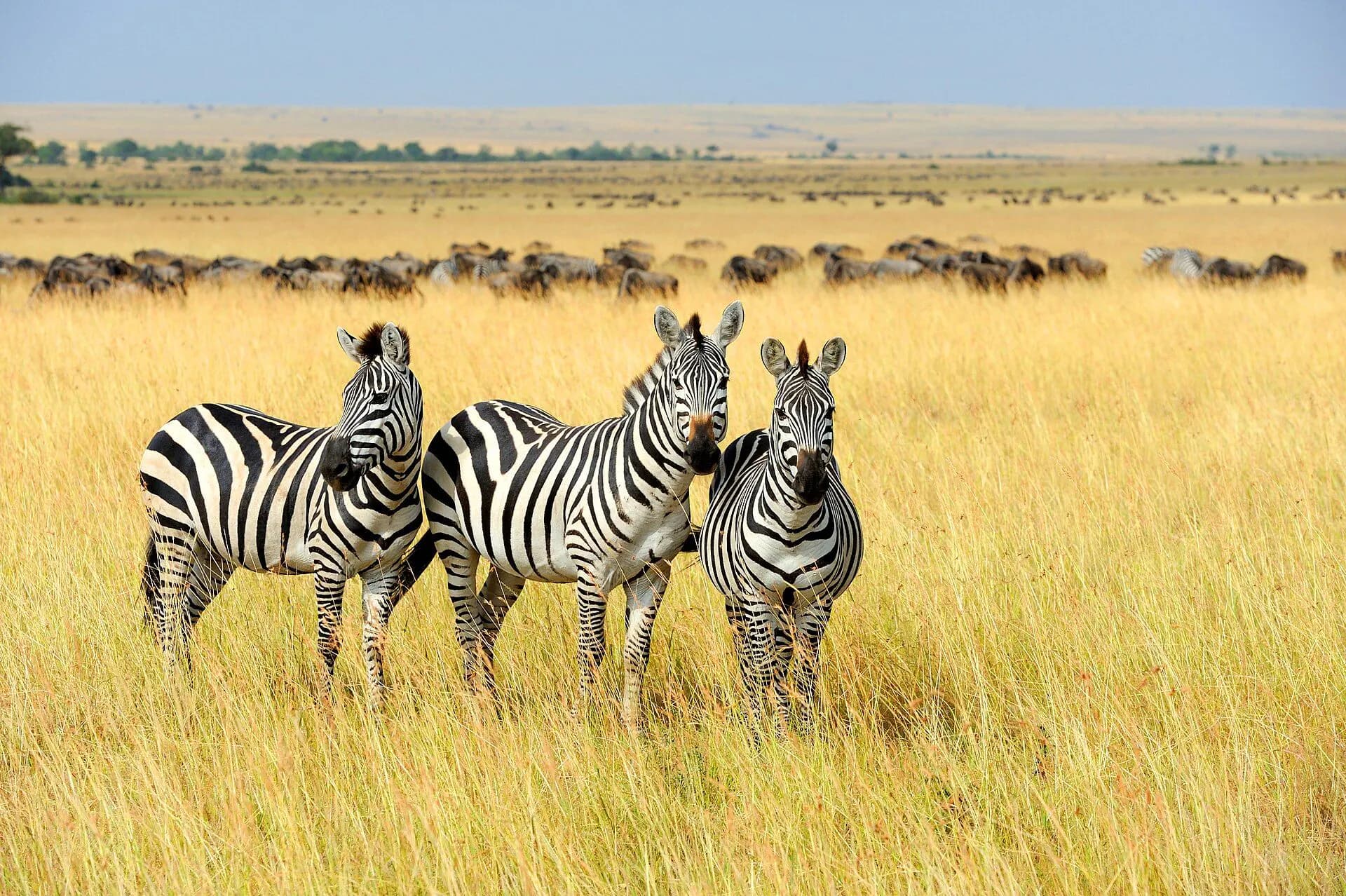
It is also the time of the great migration in the north. From around July, the wildebeest and zebra herds move from Tanzania’s Serengeti into Kenya’s Maasai Mara, and the dramatic Mara River crossings usually happen between August and October.
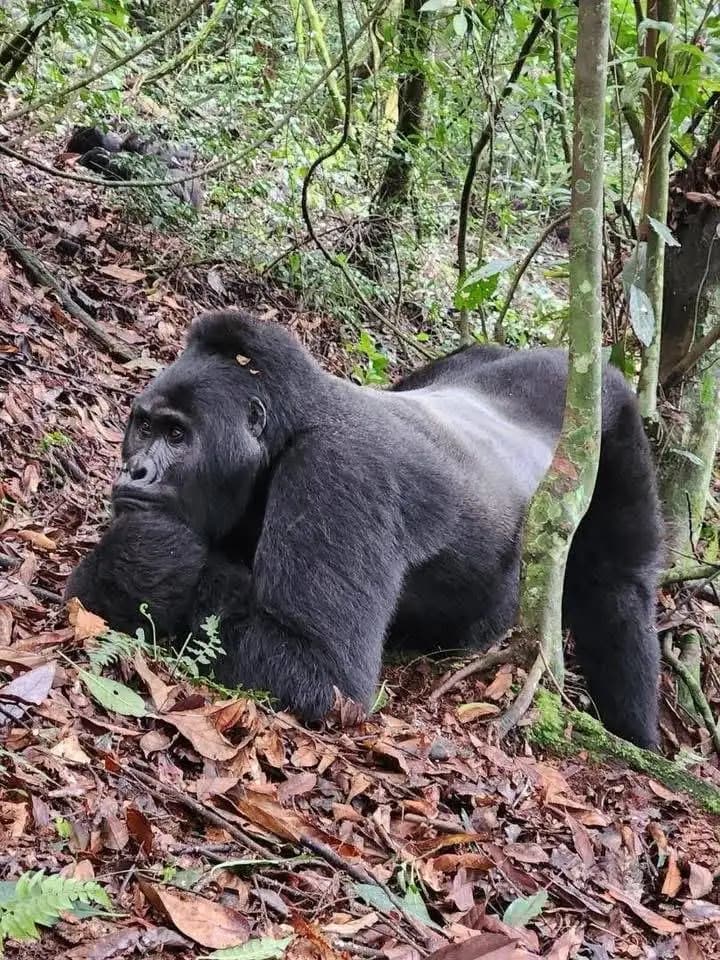
Gorilla trekking is at its most comfortable, with firmer trails in Bwindi and Volcanoes National Park. Demand is highest in July and August, so permits and the best lodges sell out months ahead and prices are at their peak.
November: the short rains
Short storms turn the plains green within days and flowers appear. Grazers such as zebra and buffalo are plentiful, though taller grass can make them harder to spot.
Migrant birds arrive from Europe and Asia, which makes November excellent for birdwatching. Parks are quieter and many lodges lower their rates, so it can be good value for travellers with flexible plans.
December to February: the short dry season
Water collects in fewer places again, so wildlife gathers and game viewing is excellent. Skies are clear and the light is good for photography.
In Tanzania’s southern Serengeti and the Ndutu area, the migrating herds give birth from late January to February. Hundreds of thousands of calves are born in a few weeks, and predators follow closely. This is one of the best times to see big cats hunting.
Christmas and New Year are a second peak season, especially on the Kenyan coast and in Zanzibar. Book early if you want to travel over the holidays.
March to May: the long rains
This is the wettest time of year. Some roads, especially in Tanzania’s southern parks, become muddy and slow, and a few camps close in April and May. In return you find green landscapes, full waterfalls, newborn animals and far fewer visitors.
Many lodges offer their lowest rates of the year, sometimes 30 to 40 percent below peak prices. Gorilla treks continue, but the trails are slippery, so good boots and a rain jacket are essential.
Late March and early June can be a smart compromise: the rains are lighter, prices are lower and the parks are still quiet.
Country by country
- Kenya: best for game drives from June to October and January to February; the migration is in the Maasai Mara from about July to October
- Tanzania: calving season in the southern Serengeti from late January to February; northern Serengeti river crossings from July to October
- Uganda: gorilla and chimpanzee trekking all year, most comfortable from June to September and December to February
- Rwanda: similar seasons to Uganda; the long dry season from June to September is the most popular for Volcanoes National Park
- The coast and Zanzibar: best from December to March and July to October; April and May are very wet and some hotels close
Seasons and prices
Prices follow demand. July, August and the Christmas holidays are the most expensive months, and the best camps sell out first. April, May and November are the least expensive. June, September, October, January and February sit in between.
Gorilla permit prices are set by the parks and do not change with the season, so a trek in the green season saves money on lodges, not on the permit.
Combining safari and beach
A safari followed by a few days on the Indian Ocean is one of the most popular ways to end a trip. The coast is at its best when the inland parks are too, from July to October and from December to March, so the two fit together easily.
Diani Beach is a short flight from the Maasai Mara or Nairobi, and Zanzibar is a short flight from Arusha or the Serengeti.
So when should you go?
For a first safari with gorillas and game drives, June to September or late December to February are the safest choices. For the river crossings of the migration, aim for August to October in the Maasai Mara. For calving season and big cats, choose February in the southern Serengeti.
If you prefer quiet parks, green scenery and lower prices, consider November, late March or early June. Tell us your dates and we will suggest the route that suits that season best.