 BESSALOV
Preparing for Africa
Before You Travel
Everything to sort out before you fly, and when. We check each item with you and send reminders, but it helps to start early.
Your countdown
- 60+ days before: documentsFix your dates and group, check your passport, apply for e-visas and send us copies.
- 30+ days before: health and coverGet your yellow fever vaccination, arrange travel insurance and send us copies.
- Before you fly: packingUse the packing list below and bring spending money for meals not in your quotation.
What you need
Passport
- Valid for at least six months after you return.
- At least two blank pages, and up to six for trips through several countries. Ask us if you are unsure.
- Send us a photo of the ID page for each traveller at least 60 days before departure.
Visas
- Uganda, Kenya and Rwanda issue visas or travel authorisations online. Check what applies to your nationality before you sign your booking.
- Apply yourself, or ask for our paid visa support (¥60,000) and we prepare the documents with you.
- Processing usually takes 8–10 business days and can take two weeks, so apply early and send us a copy.
Yellow fever vaccination
- A WHO yellow fever certificate is required for East Africa: you cannot travel without it.
- Get vaccinated at least 30 days before departure and send us a photo of your certificate.
- Ask a travel clinic about malaria prevention and any other vaccinations you need.
Travel insurance
- Required: at least USD 25,000 of cover for accidents, medical treatment and emergency evacuation or repatriation.
- Strongly recommended: cancellation, trip interruption, personal liability and lost baggage.
- You may be asked for your insurance certificate before departure.
Travellers aged 70 and over
- We send a short health self-assessment form. Please complete it and return a copy before departure.
Payment
- Pay through the secure card payment link in your quotation email. We never ask for card details by email or phone.
Language and climate
- English is the language used on tour in East Africa. If you are not confident in English, a translation app or device helps.
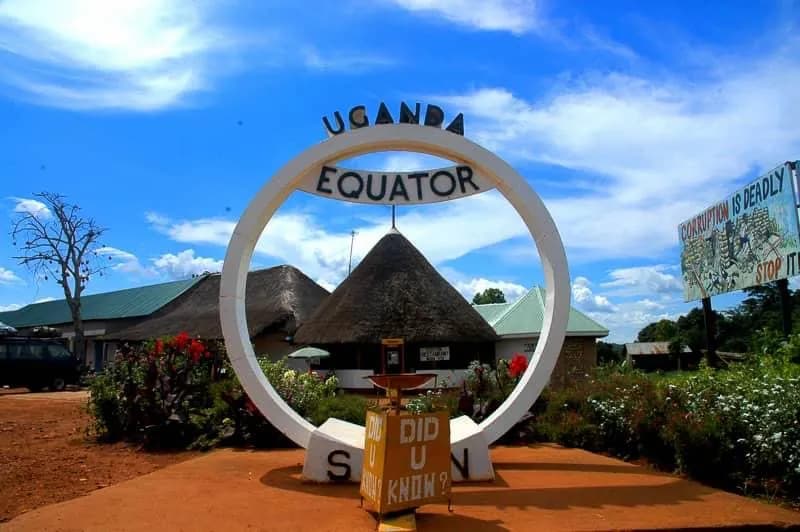
- Seasons south of the equator are the reverse of those in the northern hemisphere, and mornings can be cool at altitude, so check the season for your dates when you pack.
In the national parks
- Keep at least 7 metres (about 23 feet) from gorillas and other wildlife, to avoid passing on illness and to reduce stress.
- Gorilla trekking groups are limited to 8 visitors per habituated family. Wash your hands before visiting the gorillas.
- Flash photography is not allowed in the national parks. Follow the rules on photographing animals.
- Stay on the marked trails, carry all your litter out and do not collect plants or other natural specimens.
- Always follow your guide and the rangers, stay alert in crowded places and treat local communities with respect.
Travelling from Africa to Europe or Japan? Your checklist comes from the free assessment. Start free assessment →
What to pack
Bring with you
- Sturdy walking boots that are already broken in
- Clothes for warm days and cool mornings, toiletries and a towel
- Swimwear if you plan to swim in a lake or the sea
- Spending money
Bring your own or buy from us
- Mosquito net and insect repellent
- Sunscreen and after-sun
- Snacks
- Torch
- Sleeping bag, if you feel the cold
Spending money
- Meals not included in your quotation cost about USD 30 each, and drinks start at about USD 5.
- Also budget for souvenirs, activities outside your itinerary, tips, excess baggage and any medical costs.
- For a trip of about a week, we suggest bringing at least USD 1,500.
When to go
East Africa can be visited all year. A guide to the seasons in Uganda and Kenya; conditions vary by year and region.
Short dry season
Animals gather where water remains, so wildlife is easier to find. Good for birds and photography; rhinos, lions and leopards are often seen.
Long rains
Green landscapes, waterfalls and migrant birds, with fewer visitors. Some roads get muddy and slow.
Dry season
The best time for wildlife: animals stay near water and skies are clear. This is the busiest season, so book early.
Short rains
Lush grass and flowers, plenty of zebra and buffalo, and more migrant birds and flamingos.
Most of all, bring an open mind, patience and a sense of humour. Rest well before you fly.
Talk to a travel planner
Get a call back
Leave your number and a planner will call you to talk through your trip, answer your questions about prices and prepare a personal quotation.
- Free, no-obligation advice
- A quotation for your exact dates and group
- Planners who speak English, Japanese, French and Russian